Motive Matters: Profit vs. Service in Charging

premium account

Recording of Thursday, June 20, 2024 | The smarter E Europe 2024 | Exhibition Program | Language: English | Duration: 13:42 .

Differing Motives of Charging Station Owners Shape Their Strategies: Service vs. Profit

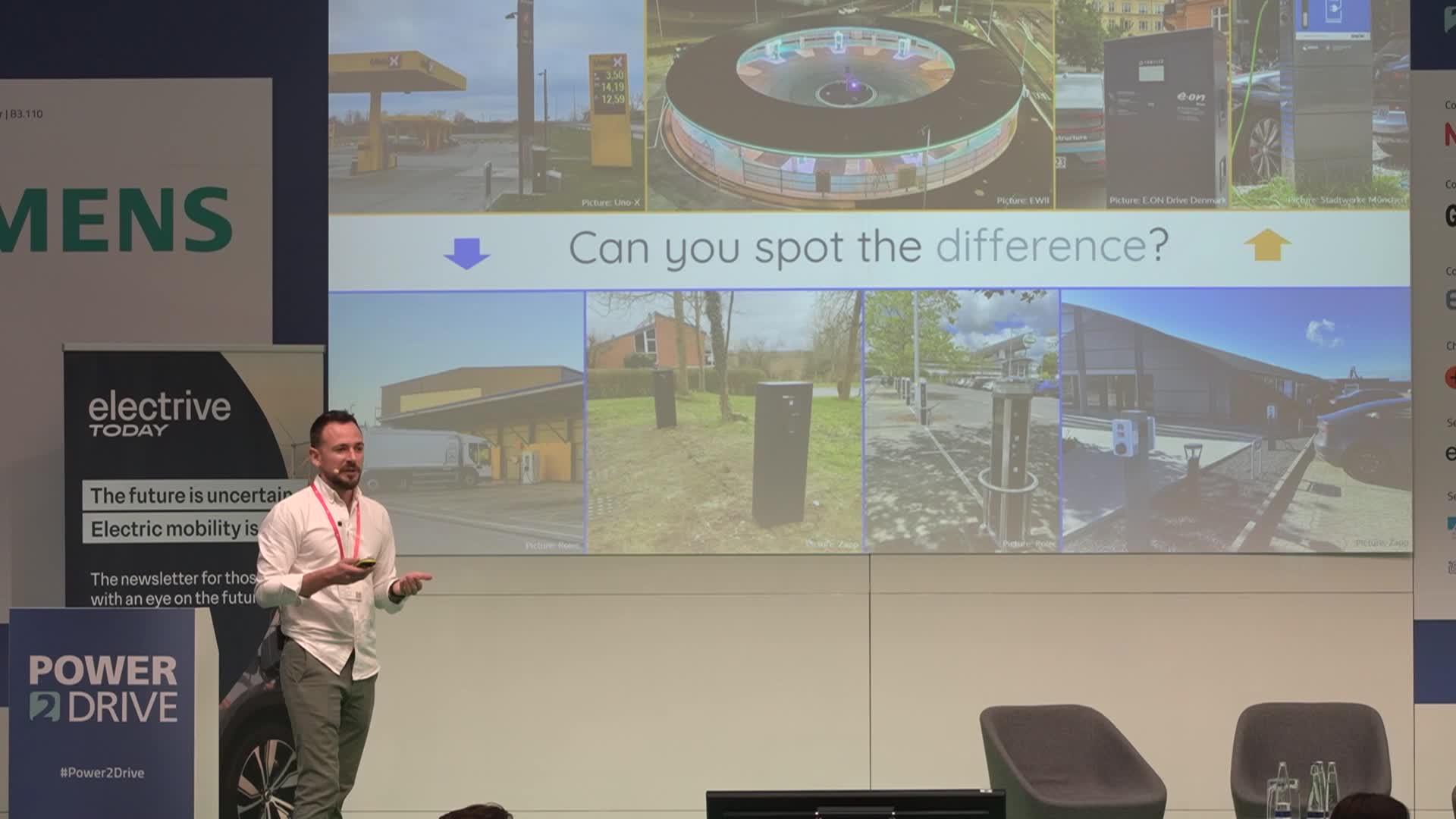
The discussion centers on the varied roles and economic models of charging stations, often overlooked in favor of monetization strategies. Christian Kurtenbach from Monta introduces their pure software SaaS company focused on charge points, which connects over 100,000 units globally. He highlights two primary motives for setting up charging stations: profit-driven installations versus service-oriented setups. Profit-driven stations aim to maximize utilization and revenue through accessibility, competitive pricing, visibility, and user comfort. Examples include fuel station chains like Unox and professional public network operators. In contrast, service-oriented setups prioritize user experience over profitability. These are found at workplaces (to attract employees), fleet services (for operational efficiency), residential areas (for convenience), supermarkets (to draw customers), hotels (offering amenities like booking.com checkmarks), and municipalities; each driven by unique non-financial motivations. Understanding these distinct objectives is crucial for CPOs or solution providers as it dictates different focus areas—either enhancing utilization or improving user experience—to effectively meet diverse market needs.

Automated summarization by AI Conver

This session led by electrive will provide a compact overview of the integration and economic potential of electromobility for companies and municipalities. Experts will discuss the optimization of charging infrastructures, innovative utility rate models and disruptive DC charging technologies that improve the charging experience and increase profitability. The session is aimed at decision makers in municipalities, utilities and city planners who are interested in efficient and profitable electromobility solutions.

Further Talks of this session:

To Talk

To Talk

To Talk

To Talk

To Talk

Further Content
Webinar
Mixed Investment Solar Projects in Mexico: The 54% Model Explained

January 29, 2026

Mexico has introduced a new mixed investment scheme for renewable power generation, requiring a minimum 54% direct or indirect participation by CFE.

Anna Darmani, Principal Analyst from Wood Mackenzie
Big BESS Is Here to Save the Day

The smarter E Podcast Episode 246 | Language: English

January 8, 2026

Utility-scale batteries are booming in Europe. Discover key BESS trends, market impacts, and what to expect for large-scale storage in 2026.

Irene Guerra Gil, Mark Bruno
Staying Home, with Smart Energy Management

The smarter E Podcast Episode 245 | Language: English

December 11, 2025

Irene Guerra Gil and Mark Bruno explain how smart home energy systems and building initiatives cut costs and emissions.

The smarter E Europe Exhibition Program 2025
DC Microgrids as the Next Frontier in Grid Modernization and DER Integration

Wednesday, May 07, 2025, 11:00 am - 12:25 pm

The smarter E Europe Exhibition Program 2025 | Exhibition Program

premium account

Discover how next-gen distribution grid technologies are addressing the challenges of renewable integration and dynamic energy demands. This session offers insights into the latest developments in AI-driven data analytics and the transformative role of IoT in grid management.

The smarter E Europe Conferences 2025
Factors That Influence the Success of a Minigrid Project

Wednesday, May 07, 2025, 11:00 am - 12:30 pm

The smarter E Europe Conferences 2025 | Conference Program

premium account

Off-grid solar systems are often the least expensive option for rural electrification. Solar home systems can power individual households, while mini-grids can supply entire villages. Each comes with its own advantages, disadvantages, and challenges. The aim of this session is to explore challenges as well as success stories. It takes well-functioning components such as battery systems, charge management and inverters to make projects successful. Proper system sizing, maintenance and repair management, as well as a robust financial concept are also necessary. If one of these elements is missing, the electrification will not be sustainable. This session will focus on the aspects mentioned above. The speakers will present successful and unsuccessful approaches and discuss what can be learned from them.

You are using an outdated browser

The website cannot be viewed in this browser. Please open the website in an up-to-date browser such as Edge, Chrome, Firefox, or Safari.