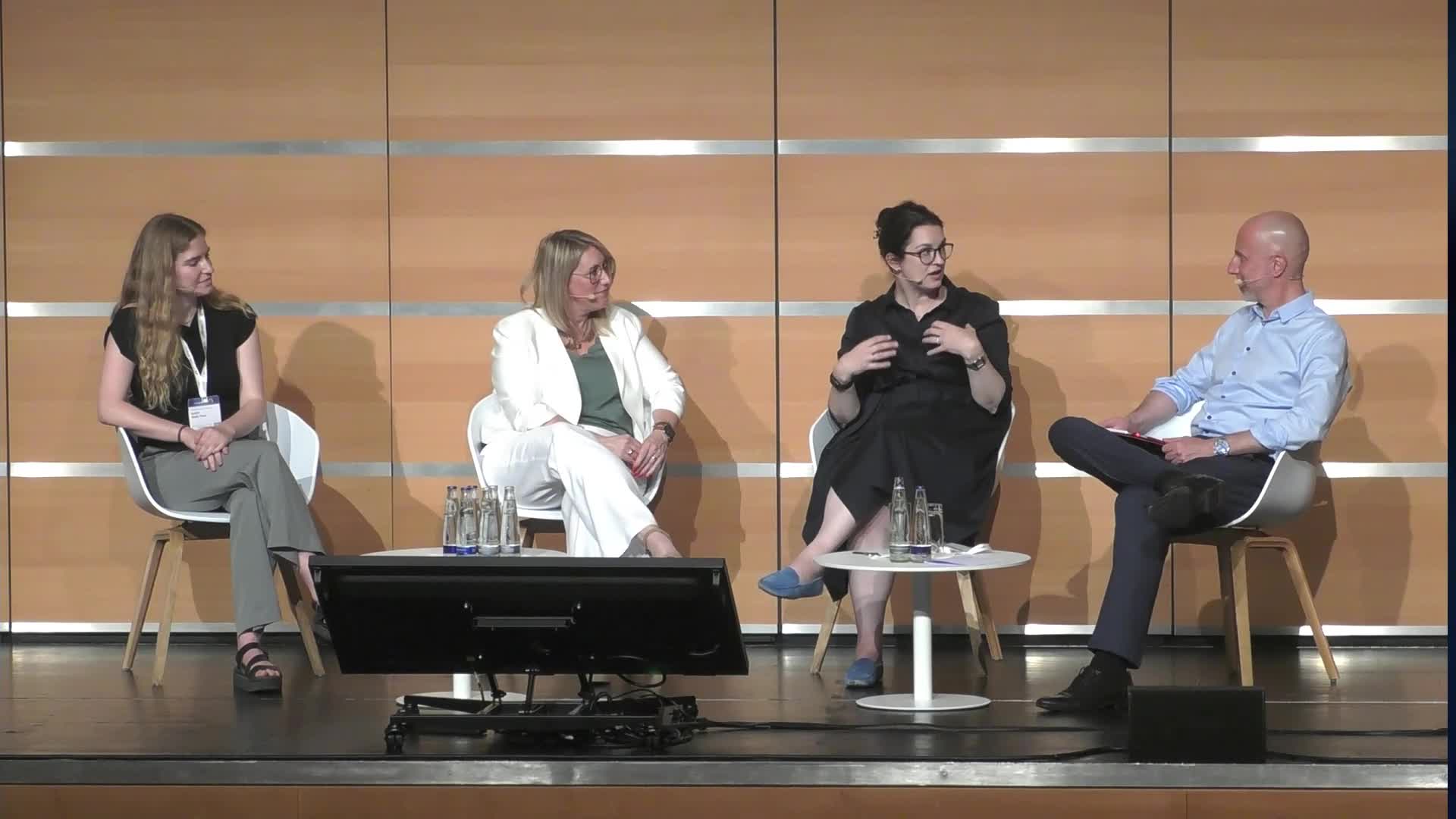
Recording of Monday, June 22, 2026 | The smarter E Europe Conferences 2026 | Language: English | Duration: 49:49 .
Home energy management systems (HEMS) are becoming integral in optimizing energy use and generating revenue through participation in energy markets. In Germany, consumers currently value cost savings but are displaying hesitance towards dynamic tariffs, unlike their counterparts in the UK. The adoption of dynamic tariffs is influenced by consumer trust and the reliability of technology, highlighting the need for straightforward solutions in energy management. While OEMs and installers are key players, there is a growing demand for interoperability among devices from various manufacturers to enhance consumer experiences. Regulatory changes, including the rollout of smart meters and dynamic tariff structures, aim to stimulate the market, yet uncertainties in installation and operational compatibility pose significant challenges. Simplifying these complexities will be essential to maximizing the engagement of decentralized asset owners and aligning with future energy trends. Market dynamics suggest that building trust and providing transparent, user-friendly solutions will be critical to driving broader adoption of HEMS.
Automated summarization by AI Conver
Speaker
Kathrin Rust
CEO
Solar Manager GmbH
Deutschland
Isabel Nieto Tous
Research Analyst
Wood Mackenzie
United Kingdom
Anne Bicking
CEO
gridX GmbH
Germany
The decentralized energy transition is entering a new phase: moving away from fixed feed-in tariffs toward market-based solutions and intelligent grid integration. In this context, Home Energy Management Systems (HEMS) combined with residential energy storage, are evolving from convenience and optimization tools into critical enablers of prosumer profitability. Opportunities arise from enhanced self-consumption optimization and the growing relevance of front-of-the-meter use cases such as direct marketing. However, challenges loom: a potential slowdown in new PV and residential storage installations and intensifying competition between large national installer platforms, independent HEMS-only players and OEMs in an increasingly crowded market. This session will analyze emerging business models, the competitive landscape and key success factors for HEMS providers in this pivotal market shift.
Further Talks of this session:
Speaker
Florian Mayr
Partner
Strategy&, part of the PwC Network
Speaker
Isabel Nieto Tous
Research Analyst
Wood Mackenzie
United Kingdom